

Gardening with James Vaughan: Basic principles of composting
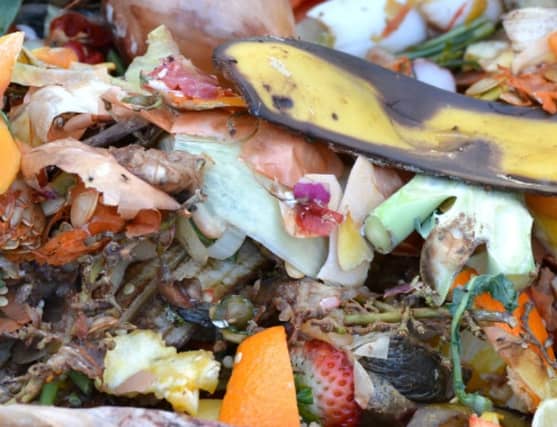

As mentioned in last week’s article, we are outlining the basic principles of starting your own compost heap at home. The benefits of this are many, not least among them that it might save you on bin charges. This week we will conclude on all you need to do to make your own garden compost.
Wet/Dry Compost
The reason many peoples compost heaps turn into a slimy smelly mess is because they are too wet. This is generally caused by too much green material and not enough brown material. If you think of it, the green material i.e. grass clippings has a lot of water in it. Whereas the brown layer i.e. newspaper and vegetable peel is dry. When you add the right balance of these materials in layers you get proper compost. When you don’t, you end up with a wet smelly compost heap. By the way, if you have a failed wet compost heap at the moment then you can rejuvenate it. Simply by turning the heap and mixing some brown matter in you will let some air into the heap and it will begin to break down properly.
Covering
You would be well advised to cover your compost heap when it is full. We use some old carpet in our own compost heaps. The reason for covering it is to keep the excesses of weather from getting to it. You need to keep snow, rain and wind off the compost heap. This is required to keep the micro-organisms and Earthworms cosy and productive.
Compost accelerator
If, like me, you are sometimes in need of more patience, you can buy a product to accelerate transforming organic matter into compost. The product helps by providing a food source for all the micro-organisms. These micro-organisms are actually the driving force behind turning organic matter into compost. Once the micro-organisms are finished doing their job then the earthworms get to work.
Material not for the heap
Certain materials are never permitted to be placed into the compost heap. The main reason is because these items can attract vermin to your heap. These items include any meat- either raw or cooked. Other things to keep out of your compost heap are the roots and seed heads of perennial weeds. These are persistent weeds that occur year after year. Examples would be Dandelion, Thistle and Dock. If the roots or seeds of these plants are placed into the compost heap then they will pass on into your compost. If you do have any of these weed roots then you can either burn them or place them in your organic bin.
Waiting Time
As I have said before, gardeners usually have the great gift of patience. And, as the saying goes, patience is a virtue of the strong! With this in mind, remember to be patient while waiting for your compost. The micro-organism in you compost heap do an invaluable job but it does take time. In some places you might see it advertised that you can create the perfect compost at home in as little as six weeks. I have never known this to be the case. However long it takes, I wish you every success.
Contact James by email: [email protected]