

Tipperary TD raises health and safety concerns for farmers in Dáil

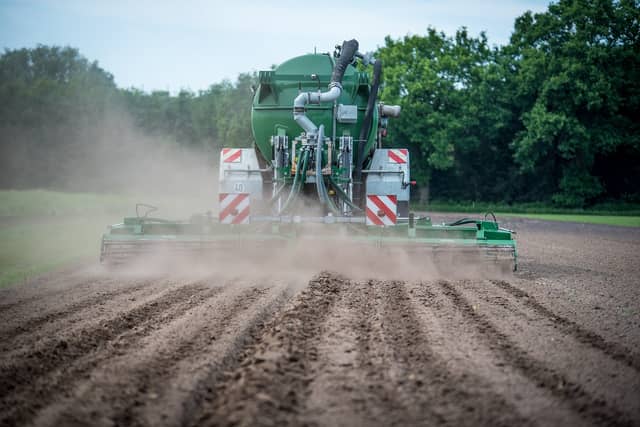

Tipperary TD Michael Lowry raised the issue regarding the use of low-emissions slurry spreading equipment in the Dáil this week
Deputy Michael Lowry has raised in Dáil Éireann an issue regarding the use of low-emissions slurry spreading equipment. This matter is of significant concern to many farmers in North Tipperary and those farming hillside terrain.
Deputy Lowry has highlighted the serious health and safety risks associated with the use of this equipment on hillside terrain, which affects numerous farmers. While the new tanks and attachments are effective on low-level ground, they pose severe dangers on slopes, potentially leading to life-threatening incidents.
Deputy Lowry stated, “I have been contacted by numerous members of the North Tipperary branch of the Irish Farmers Association, who have conveyed serious reservations about the dangers involved in the use of low-emissions slurry spreading equipment. From 1 January 2025, the majority of farmers will be banned from using splash plates on their farms under good agricultural practice guidelines.”
He emphasized that while these new tanks and attachments are performing excellently on low-level ground and achieving their intended environmental benefits, they pose severe risks on hillside terrain. “The same tractor and tank that work well on flat land are totally unsuitable for hillside terrain, creating a serious imbalance that can lead to life-threatening incidents. Farmers using this expensive equipment on slopes are endangering their lives,” Deputy Lowry explained.
READ NEXT: Tipperary farmer wants Department to ‘spell out plainly’ how proposal will address urgent questions
Deputy Lowry proposed a compromise solution to address the unique challenges faced by hillside farmers, rather than implementing a blanket ban on splash plates.
“I urge the Government to review its strategy and consider a more nuanced policy that balances environmental goals with the practical realities of farming in diverse terrains. By doing so, we can ensure the safety of our farmers while continuing to promote sustainable agricultural practices,” Deputy Lowry concluded.