

Have you noticed the air cleaner around County Tipperary?

A 3.9% drop has been recorded in all energy usage in 2019 - the equivalent to 1.5 million tonnes of CO₂.
The Sustainable Energy Authority of Ireland (SEAI) has released data which shows that CO2 emissions from all energy use fell 3.9% in 2019, equivalent to 1.5 million tonnes of CO₂. This marks the biggest annual reduction in CO2 emissions since 2011, at the height of the last recession. Emissions in 2019 were 22% below 2005 levels, but are higher than 2014, when we emerged from recession.
And, with much reduction in transport and energy usage during the last two months thanks to the Covid-19 lockdown, emissions are likely to be down ever further again when the next set of figures are released. Keen observers in Tipperary have noted much cleaner air in urban areas while rivers are running clearer and there is far less litter on the roadways.
The fall recorded by SEAI was due mostly to a reduction in coal used for generating electricity, which fell by 70% compared to the previous year.
The Provisional Energy Balance 2019 figures comprises analysis of Ireland’s energy supply for last year. The main findings show:
Overall energy use fell by 1.2% while the economy grew by 5.5%
Coal use in electricity generation fell by 70% in 2019 with the Moneypoint electricity generating station operating at reduced capacity.
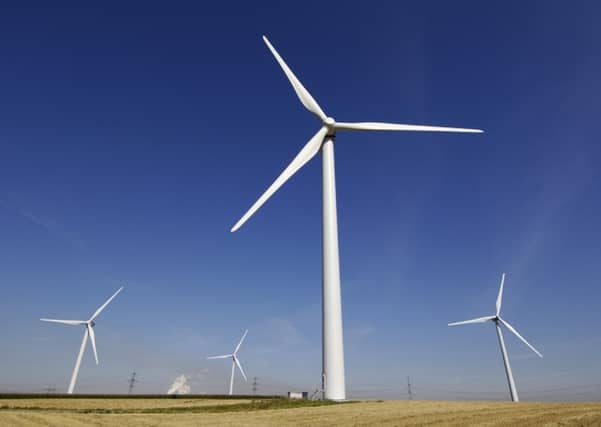
The reduction in electricity generated by coal was partly made up by a 9% increase in wind generated electricity, which supplied almost one third of all electricity. The remainder of the shortfall came mostly from increased net imports of electricity.
These changes have resulted in the CO2 intensity of electricity falling by 12% to a new low of 331 gCO2/kWh in 2019. The renewable share of gross final consumption of electricity in 2019 increased to 36.6% (33.3% in 2018). Wind contributed 31.5% points of this.
Energy from all renewable sources grew by 6.5% in 2019 and accounted for 11% of all energy used.
Natural gas use grew by 2% and accounted for 32% of all energy use.
Oil use increased by 0.6% and accounted for 50% of all energy use.
Import dependency (the share of energy imported, as opposed to sourced in Ireland) increased to 69%, up from 67% in 2018.
SEAI is Ireland’s national energy authority investing in, and delivering, appropriate, effective and sustainable solutions to help Ireland’s transition to a clean energy future. We work with Government, homeowners, businesses and communities to achieve this, through expertise, funding, educational programmes, policy advice, research and the development of new technologies.
SEAI is funded by the Government of Ireland through the Department of Communications, Climate Action and Environment.
In 2019, the Government published the Climate Action Plan: To Combat Climate Breakdown sets out an ambitious course of action over the coming years to address this issue. The Climate Action Plan will reduce emissions by 35% by 2030 (or 3.5% per year on average). To achieve the 35% reduction set out in the plan, Ireland needs implement over 180 actions including: 1 million electric vehicles, 500,000 homes upgrades, 70% renewable electricity, an €80 carbon tax, greater agricultural efficiencies. It will mean we have cleaner air, warmer homes and a more sustainable economy.