

SIPTU critical of Boston Scientific's management of Clonmel staff over cyberattack

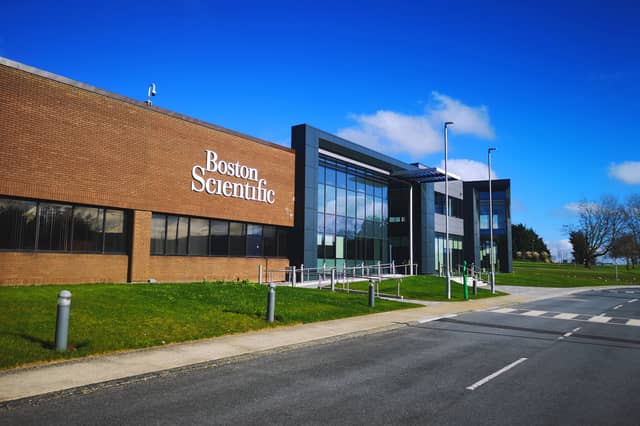

The trade union has written to senior management highlighting its members’ frustration over the company’s communication with its Clonmel workforce as it deals with the cyberattack
SIPTU called on management at Boston Scientific Clonmel last week to engage with the union to address the concerns of its members working at the plant over disruption to shifts caused by a major cyberattack that impacted the company’s operations globally.
The appeal was issued by SIPTU organiser Allen Dillon in a letter he sent to a senior executive at Boston Scientific Clonmel on Wednesday, September 2 in the wake of the cyberattack that hit the multinational medical devices manufacturing company’s IT systems on Tuesday, August 25.
His letter to Vice President of Operations James Herbert highlighted the deep frustration of the trade union's members working at the plant over the “deficit of information” they had received regarding how the company was managing the workforce as it dealt with the cyberattack and stressing that staff were available to work and expected to receive their full wages during the period of disruption.
The Nationalist contacted Boston Scientific seeking information on how the cyberattack impacted the workforce at its Clonmel factory, which is one of the town’s biggest employers. The company didn’t respond to the newspaper’s queries and instead directed it to a general update on its response to the cyberattack, posted on the Boston Scientific website.
According to Mr Dillon, the cyberattack's impact on staff depended on what section of the plant they worked in. Some workers continued to work throughout the cyberattack while it resulted in the cancellation of shifts for others.
It’s understood the majority of Boston Scientific’s Clonmel plant have been back on site and working their full hours since Monday morning, September 7.
Non-production employees, including technicians, engineers and quality department staff, continued to work at the plant over the period from August 25 to September 7, alongside administrative staff and others.
Workers were initially concerned Boston Scientific expected cancelled shifts to be taken by affected staff as paid holidays or for staff to work the time back. But in the end, it’s understood staff have received their full pay during the disruption.
In his letter to Mr Herbert, Mr Dillon expressed concern about lack of communication experienced by workers from their supervisors, direct line managers and senior management creating an “environment of increasing chaos”, which was leading to a “serious breakdown in trust” in the relationship (between management and staff).
“We have received numerous complaints from workers who are experiencing frustration and stress regarding the lack of structure and mixed communications.
“Workers are reading updates that provide for a phone call from a supervisor to notify the worker of the requirement to attend for shifts onsite. In practice and in certain incidences, the exact opposite is happening whereby supervisors are making phone calls to advise of no requirement to attend site.
“The disarray and dysfunction is unprofessional and workers deserve to be informed by management in a timely, clear and concise manner of their work schedule as they are available to fulfil their employment obligations.”
Boston Scientific didn't respond to SIPTU in relation to the issues it raised that impacted its members at the Clonmel plant due to the cyberattack and didn't respond to The Nationalist's queries about the matters Mr Dillon raised in the letter.
While SIPTU represents an undisclosed number of Boston Scientific workers in Clonmel, the company doesn't recognise the union for collective bargaining.
This is despite the Labour Court issuing a recommendation in 2016 that the multinational recognise SIPTU as a trade union to represent workers for collective bargaining purposes.
Mr Dillon's letter to Mr Herbert last week concerning the cyberattack's impact, also referred to a previous letter he sent to the company on August 5, which he wrote raised important important issues regarding the “lack of information and consultation” on redundancies announced at Boston Scientific in July and the “overriding issue” that workers want to negotiate a collective agreement through their union, SIPTU.
The Department of Enterprise received a collective redundancy notification from Boston Scientific on July 22 after the multinational's board approved a global restructuring plan aimed at cutting costs, which will lead to some job losses.
Mr Dillon repeated his request in the September 2 letter for a meeting between the union and management to discuss these issues and “put structures and processes in place” to bring about resolution and establish a “positive and conducive working relationship”.
Mr Dillon said Boston Scientific didn't acknowledge or respond to this letter and staff don't know at this stage how many jobs are to be made redundant. “There is a vacuum of information. People had to learn stuff from the media. This vacuum of communication is totally disrespectful to employees.”
He pointed out that changes to sick pay and bonus payments are other pressing issues facing staff.
Mr Dillon said the company's model of dealing with employees directly wasn't working and reiterated his appeal to senior management to engage with the trade unions representing their workers.
Boston Scientific didn't respond to The Nationalist's queries about these wider employment issues raised by Mr Dillon.
Meanwhile, in an update on the cyberattack issued on Monday, Boston Scientific said it has not identified evidence of ongoing unauthorised access to its systems and its investigation of the incident remains ongoing.
“The company continues to make progress in restoring many of the affected systems, including substantial restoration of its distribution network, with major distribution centres now processing and shipping customer orders at or above normal operating levels.
"Additionally, the company’s sterilisation facilities are now operational and manufacturing has resumed across most facilities globally.
"While the timeline for a full operational recovery is uncertain, the company continues to work diligently to fully restore all affected systems,” it added
Boston Scientific also has plants in Cork and Galway and employs an estimated 7,000 people in Ireland.