

Cabragh Wetlands - Nature as Heritage

Heritage week in Cabragh was a great success, the highlight being the group of 20+ that attended Aine Lynch’s worshop on Wednesday morning. The world of the swifts was explored that evening while on Monday evening a small but very committed crowd attended an evening of stories about the wetlands and we would like to share some of these stories with you this week.
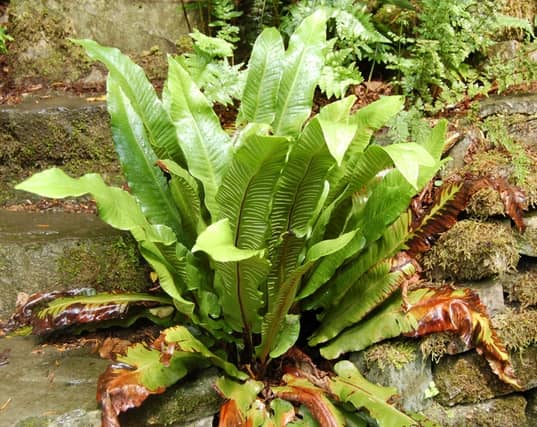
In a few hundred yards the treasures of the wetlands were laid before us. Hedgerows are such an important part of the Irish landscape and the hedgerow in Cabragh is one of the hundreds shown on the Rocque Map of 1745 when the French dragoons camped in front of Cabragh Castle. Ditches were dug and quicks planted in their millions and today at the bottom of the hedge are two plant species that tell a story - Lords and Ladies and the Hart’s Tongue Fern. The leaves of the Dogwood have not as yet begun to turn red but the beautiful dark pink of the spindle is just about to burst forth. The pond edge tells its own story with the stitchwort and the remnants or Our Lady’s Bedstraw while the anti-depressant Valerian seems to have flowered very early as has the ubiquitous Meadowsweet. It was late in the evening for pond skaters and whirligig beetles and we failed to spot the three spined stickleback patrollong its patch.
Although Cabragh has a limited numbers of types of trees compared to a mature woodland, the Celtic story of Tre-Fhulaingid Tre Eochair appearing at Tara with a branch that contained three fruits, acorns, apples and hazlenuts which gave the Celts the five sacred trees of Ireland was related. The inauguration trees tell their own stories and the blackthorn, hawthorn and fen carr reach deep into Celtic mysticism. Alder is a typical tree of the Cabragh Wetlands and the discovery of the Clonoura Bog Shield in Killenaule has led to a greater understanding of Celtic life. The wells of Cabragh tell a social history spanning generations while the carving of Cooksonia on the Cosmic Walk and the mares’ tail tell the story of the aeons.
The short walk was followed by a storytelling session in the centre. Tom Grace, a founding member of the Cabragh Wetlands Trust and its driving force for many years told the story from when Cabragh was a parched, dry denuded landscape earmarked as a dump to the wonderland and amenity it is today. Anne Marie Fleming painted a wonderful picture of Cabragh on the far side of the river with treasures unknown to most and the discussion developed into the role of ecology in modern Irish agriculture. Michael Long discussed the early Celtic religion and its closeness to nature and then enlightened us about the second level schools programme where the younger generation are holding adults to account for their management of the world and its resources. The final speaker was Vinnie O'Meara who regaled the audience with his attraction to barn owls from the moment he discovered four balls of fluff in the reeds at Cabragh to being the owl expert for all this region of Tipperary.
On Wednesday as forementioned, Áine Lynch had a group of twenty in thrall with the ins and outs of bird ringing while Birdwatch Ireland had a session on swifts the same evening.
This idea of the natural world as heritage is quite recent where up to now, it was there to be exploited “for man’s use and benefit,” as the old catechism explained. Now, with the encycnical, Laudato Si, placing respect for nature at the heart of the Christian message, it was interesting to see the Tree Council of Ireland, The Biodiversity Centre and Cabragh Wetlands presenting at the R.D.S. as outlined in last week’s article.
Once again we are welcoming primary schools all over Tipperary along with transition year students at second level but there is plenty of room for more.Don’t forget our annual family and community day on Sunday September 25th-always a fun filled day out for young and old and our principal fund raising event for the year.Looking forward to seeing you there.
Slán go fóill.