

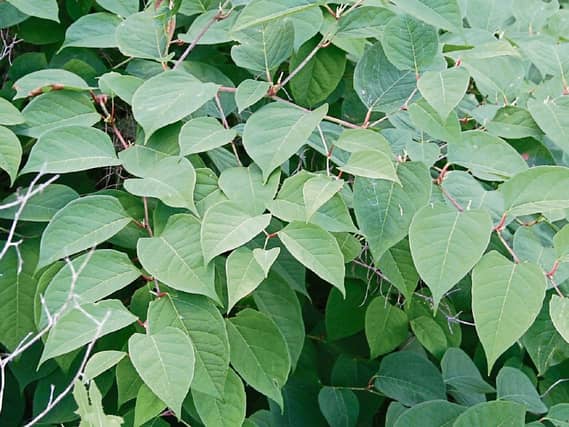
Tipp council issues warning on Japanese Knotweed

Further information regarding the control and management of invasive plant species can be found on the Invasive Species Ireland website at www.invasivespeciesireland.com.
Tipperary County Council has issued a warning to land and property owners about the dangers and problems associated with Japanese Knotweed.
In a statement issued, the local authority encourages anyone who finds Japanese Knotweed to help prevent it at all costs.
The council advises property owners not to strim, cut, flail or chip the plants as tiny fragments can regenerate new plants and make the problem even more difficult to manage. It is also advised not to dig, move or dump soil which may contain plant material as this may contribute to its spread.
Further information regarding the control and management of invasive plant species can be found on the Invasive Species Ireland website at www.invasivespeciesireland.com.
Under the Noxious Weeds Act, 1936, it is an offence not to control and prevent the spread of certain weeds, which are scheduled as noxious weeds under the Act. Ragwort, Thistle, Dock, Common Barberry, Male Wild Hop Plant and Wild Oat are scheduled as noxious weeds under this Act. A person responsible for land may either be the owner, occupier, user or manager of the land. Any person responsible for land on which these weeds are growing is liable, upon conviction, to a maximum fine of €1,000.
Ragwort is by far the most commonly reported noxious weed due to its toxic nature and risk to animal health. It is a highly poisonous plant, as the alkaloids it contains can cause serious damage, or in some instances the deaths of farm or domestic animals. The only way to safeguard against loss from ragwort poisoning is to eradicate the weed either by pulling, ploughing, cutting or chemical control. Care should be taken when implementing these measures, including disposal of the material, to safeguard animal welfare. Tipperary County Council seeks your co-operation in the eradication of these weeds from lands under your control. For advice on the most effective way to destroy them you should contact a local Teagasc/Agricultural Advisor. Useful information is also available on the Department of Agriculture website https://www.agriculture.gov.ie/farmingsectors/crops/controlofnoxiousweeds/