

Cockney Rebel frontman, Steve Harley, dies age 73
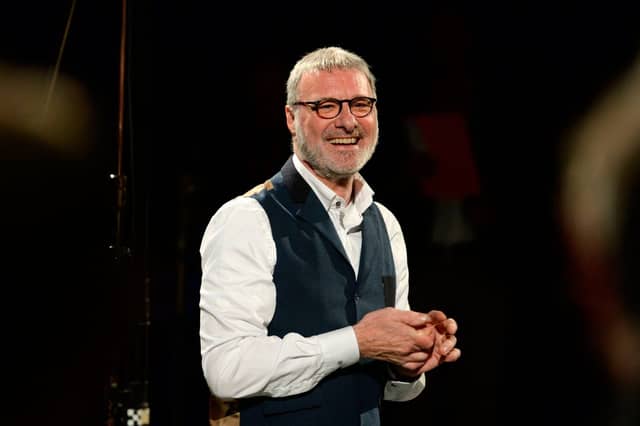

A statement from his wife, Dorothy, and children, Kerr and Greta, said he had “passed away peacefully at home, with his family by his side”
Cockney Rebel frontman Steve Harley has died “peacefully at home” at the age of 73, his family has announced.
The musician rose to prominence in the 1970s with the rock band, best known for their hit Make Me Smile (Come Up And See Me), and also performed on the title track for Lord Andrew Lloyd Webber’s classic musical Phantom Of The Opera.
Harley had been touring last year but was forced to cancel dates in November and December as he underwent treatment for a “nasty cancer”.
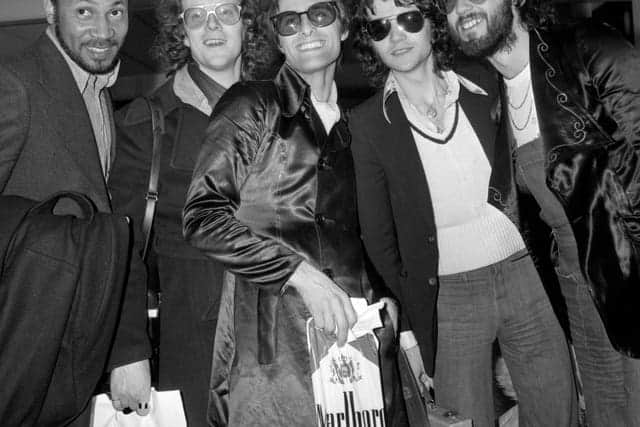
Steve Harley, centre, and Cockney Rebel were top of the best selling pop charts with Make Me Smile (Come Up And See Me) in 1975 (PA)
“The birdsong from his woodland that he loved so much was singing for him. His home has been filled with the sounds and laughter of his four grandchildren”, it added.
“Stephen. Steve. Dad. Grandar. Steve Harley. Whoever you know him as, his heart exuded only core elements. Passion, kindness, generosity.
And much more, in abundance”
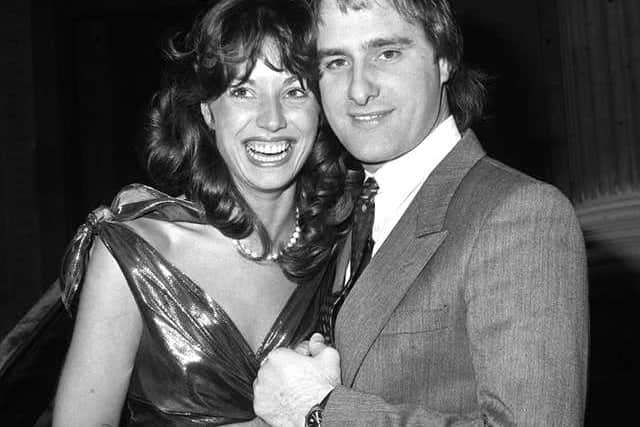
Steve Harley with Dorothy Crombie after their wedding at Marylebone Register Office in London in 1981 (PA)
In a post on his official website on Christmas Eve, Harley wished his fans a “happy, healthy New Year” as he revealed his 2023 had been a tale of two halves.
He said the first half had been “often magical” as he got to play on stage in Europe with his band members, saying “out there, on the road, that’s where I come alive”.
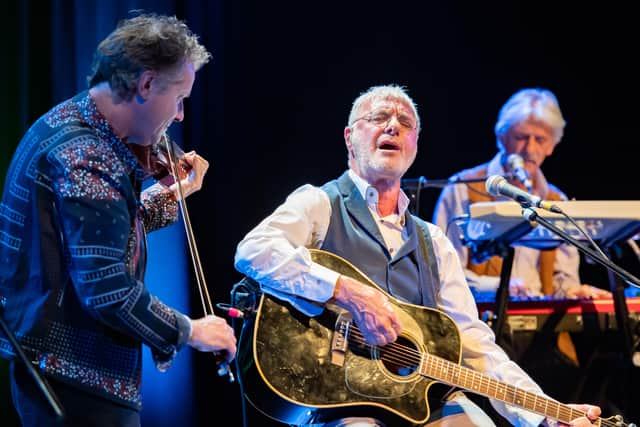
Steve Harley had had been touring last year (Alamy/PA)
He added: “I’m fighting a nasty cancer. My oncologist is pleased with the treatment’s effects so far. It’s tiresome, and tiring. But the fight is on.
“And thankfully the cursed intruder is not affecting the voice. I sing and play most evenings.”
Singer-songwriter Mike Batt, who worked with Harley on a number of songs including 1983’s Ballerina (Prima Donna) and 1988 charity single Whatever You Believe, hailed the musician as a “dear pal” and “lovely guy”.
“I was just writing about him yesterday in my autobiography”, Batt added in a post on X, formerly known as Twitter.
“What a talent. What a character. What a lovely guy. My condolences to Dorothy and all. RIP, mate. Will write more soon.”
Scottish musician Midge Ure, who produced Harley’s 1982 track I Can’t Even Touch You, hailed him as a “true ‘working musician’”.
“He toured until he could tour no more, playing his songs for fans old and new”, he wrote on social media.
“My thoughts go out to Dorothy and his family at this very sad time. Our songs live on longer than we ever can.”
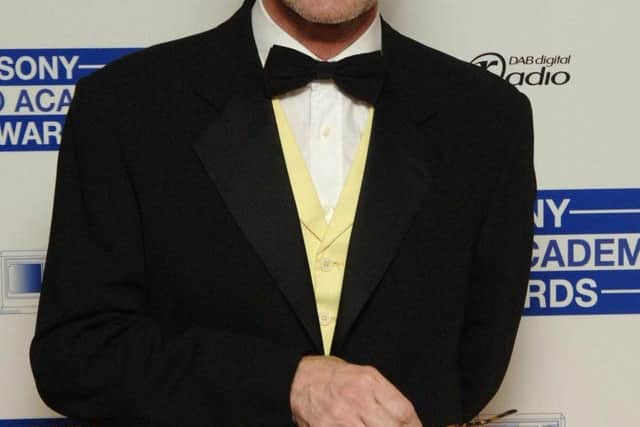
Steve Harley attended the Sony Radio Academy Awards in London in 2006 (Ian West/PA)
Paul Henderson, former editor of the Sunday Mirror who worked with Harley in the East London Advertiser newsroom in the 1970s, described him as a “great musician” and a “deep-thinking, compassionate man who wanted the best for his family and friends”.
Harley was born in Deptford, south London, in 1951 and due to a childhood illness, he spent almost four years in hospital.
He first worked as a trainee accountant and then a journalist for a number of regional publications.
The singer turned his hand to music by performing in London folk clubs in the early 1970s and later formed Cockney Rebel.
They released their debut studio album, The Human Menagerie, in 1973 and followed it up with 1994’s The Psychomodo which went to number eight in the UK charts.
The band regrouped and changed its name to Steve Harley & Cockney Rebel and it was under this moniker they released a string of albums including 1975’s The Best Years Of Our Lives, which peaked at number four.