

Documentary film on life in rural Tipperary to be launched
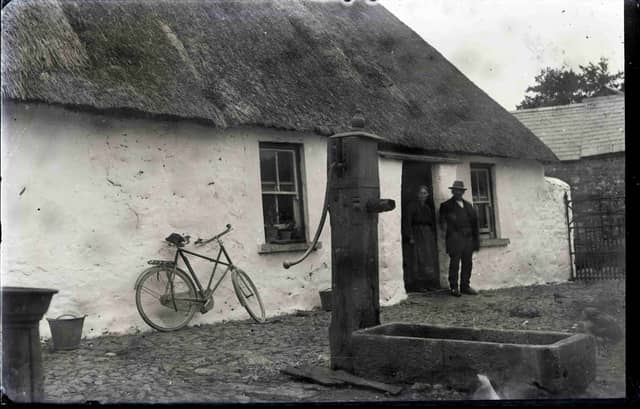

Tipperary Studies
Tipperary Studies, the local studies department of Tipperary County Council Library Service, is launching a short documentary film called ‘ I hope all of my friends come out safe: Ballypatrick an Irish rural community in the 1920s.
Councillor Declan Burgess, Cathaoirleach of Tipperary County Council, will perform the launch in Kilcash Community Centre on Thursday October 24 2024 at 7.30pm.
This project has received funding from the Tipperary commemorations programme in conjunction with the Department of Tourism, Culture, Arts, Gaeltacht, Sport and Media.
BALLAYPATRICK
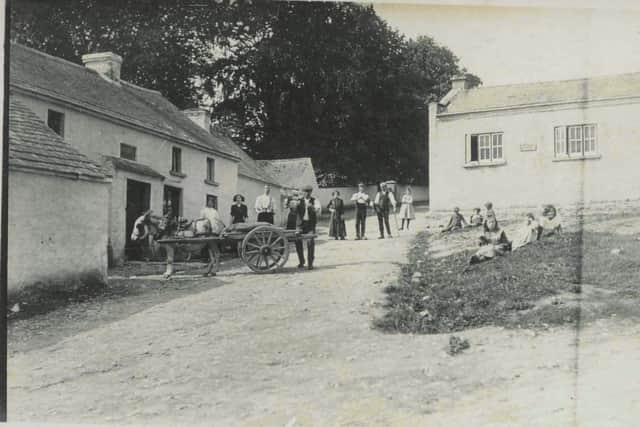
Taken at the start of the 20th century, John’s images were of a time of immense political and social change.
Although most feature John Quinn’s local area of Ballypatrick and Kilcash, the images also reflect social life in many other rural areas of Ireland. Many images focus on the daily routine of the people, but glimpses of war and revolution are occasionally obvious.
The lives of the community of Ballypatrick centred mainly around the school, church and creamery, with Kilcash castle and church ruins standing to one side and the Suir flowing on the other side.
KILCASH
Gibbs forge provided a very useful service throughout the decades as did Ballypatrick creamery and post office.
Like most other areas of rural Ireland, the area was badly affected in the period of revolution.
John Quinn largely ignores the subject in his photos, apart from illustrating the damage to Kilsheelan bridge.
However, other contemporary sources record the hardship endured by families.
The Dillon family lost two children in sad circumstances during this time.
At Christmas 1922, as a direct result of the deliberate damage to the bridge, four men were drowned in the river Suir.
Time passed, life returned to the new normal. Many lifestyle changes came to Ballypatrick as the decades passed.
This film is primarily the story of Ballypatrick/Kilcash, yet it is also an accurate portrayal of many other rural areas in Ireland of the time . All are welcome to the launch.