

Council reviews housing plans in Tipperary Town following discovery of medieval graveyard
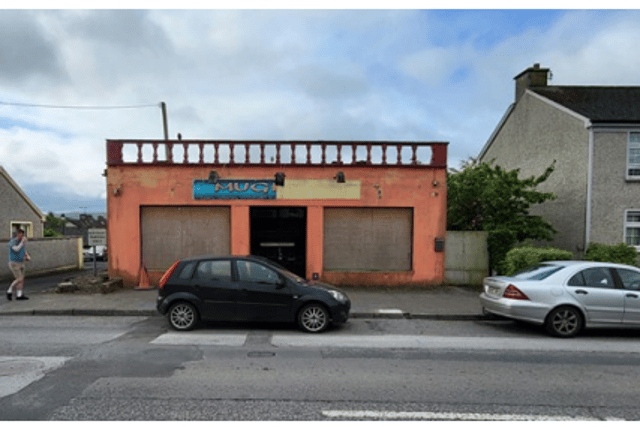

A Part 8 process is ongoing for Tipperary council’s plans to build two apartments and demolish a disused restaurant building. Earlier plans by the council had to be abandoned in 2024, after the remains of a medieval graveyard were found on the site
A public consultation is ongoing as the Council plans to build two one-bedroom apartments at Fr Mathew Street in Tipperary Town.
The build involves demolishing an old restaurant; the site is the same one where a medieval burial ground was discovered in October 2024 when the council tried to build four social houses on the site.
Each apartment is designed to be occupied by up to two people.
The ground-floor apartment is designed to be fully accessible from street level, and the first-floor apartment is reached via a private stairwell. Both units are adaptable for either wheelchair users or residents with reduced mobility.
The work will also allow St Breda’s Well to “restored and secured”.
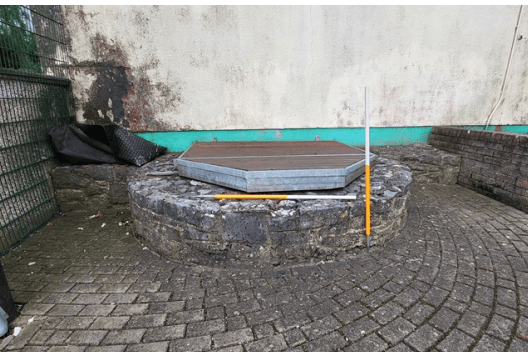
The Council’s report notes that the well is presently obscured by the derelict former restaurant, and “removing that building and conserving the well will improve its condition, setting and legibility”.
The consultation is open to the public until November 11.
MEDIEVAL LINKS
The discovery of the burial ground means that the plans had to be revised. Now, the proposal is for two residential units instead of four, with the burial ground site kept as a protected green space.
A pottery fragment recovered from one of the graves was identified by the archeologists in 2024 as having been produced at the Highhays pottery kiln near Kilkenny, which operated between approximately 1325 and 1375 AD. This provides a medieval date for the active use of the burial ground.
The archaeologists also observed that the skeletal remains is particularly significant, because the site lies in an area historically associated with a medieval hospital.
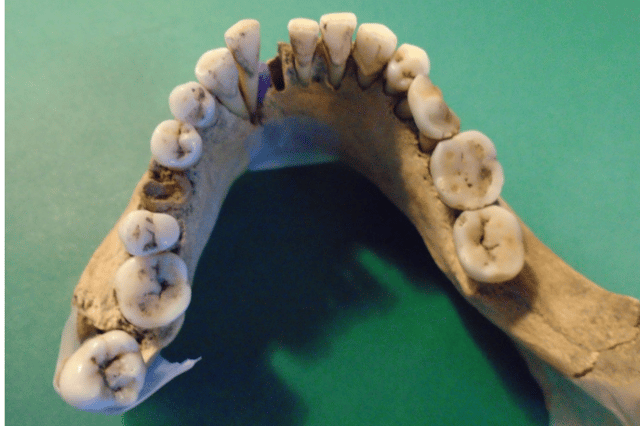
“The townland name Spiddal-Land is thought to preserve a reference to such a hospital, although its precise location has not been identified.
“The nature and arrangement of the burials, together with their medieval date, may indicate that this previously unknown burial ground was associated with the medieval hospital. The evidence suggests that the burial ground was used intensively and that burials were not always arranged in a formal manner.”