

14 greyhounds die on Tipperary courses in first seven months of 2026

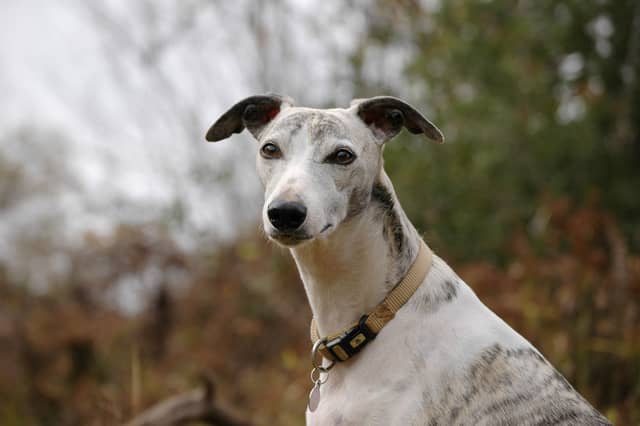

The figures were recently released to People Before Profit TD Paul Murphy
A total of 14 greyhounds died at both Clonmel and Thurles greyhound tracks in the first seven months of this year, according to figures recently released to Deputy Paul Murphy, People Before Profit.
The figures show that 10 greyhounds were injured at Clonmel between January and the end of July, with seven deaths recorded. Six of these dogs were euthanised by the track vet, while one died following a suspected cardiac arrest.
At the Thurles track, 13 greyhounds were injured during the same period and seven were euthanised by the track vet, with two of those dogs put to sleep at a single meeting on March 28.
The injuries at Clonmel that led to euthanasia include a compound fracture of the radius and ulna of the dog, a dislocated shoulder joint, and a broken stifle (knee). At Thurles, in four separate cases a dog with a fractured right hock was euthanised; in four other cases with the same injury, the dog was treated.
In another case in Thurles, an animal was put to sleep after suffering a suspected fractured pelvis.
In total, across Rásaíocht Con Éireann (RCÉ)-licensed tracks in Ireland, 151 greyhounds were injured during races between January 1 and July 31 this year, while 88 died either on the track, shortly afterwards or after being euthanised by track vets, one more greyhound died following a trial.
In a statement to Tipperary Live, Rásaíocht Con Éireann said that: “Greyhound welfare is the foremost priority for Rásaíocht Con Éireann (RCÉ) and at all licensed greyhound racing stadia, including Clonmel Greyhound Stadium”.
The organisation said that 3,742 greyhounds raced at Clonmel during the seven-month period, with 99.76% of starters uninjured during their races. It also claimed that extensive welfare and veterinary protocols were in place, and that every race meeting at Clonmel was attended by a veterinary surgeon.
"While injuries can unfortunately occur in any sport involving animals or humans, RCÉ has extensive welfare and veterinary protocols in place to ensure that racing greyhounds receive the highest standards of care before, during and after racing”.
However, the Irish Council Against Blood Sports (ICABS) has strongly criticised the presentation of the figures, arguing that RCÉ uses the number of race entries to calculate injury and death rates which they say gives a “misleading” picture of the number of individual greyhounds affected.
“The Greyhound Racing Ireland figures for injuries and deaths at races do not include the greyhounds injured at tracks and later killed elsewhere” claimed ICABS.
“The deaths at tracks are only the tip of the iceberg. Many more are killed out of sight. As revealed in the award-winning ‘RTE Investigates: Greyhounds running for their lives’ documentary, thousands of greyhounds are killed behind the scenes every year simply because they are not fast enough.”
The newly released figures are just the latest to fuel the fire in ongoing arguments around the Irish greyhound racing industry. Shortly after receiving the figures from the department, Paul Murphy TD welcomed news that New Zealand would be banning the sport.
“This ban leaves Ireland among a small number of countries that still allow the cruel practice that exists only to serve the gambling industry and others that profit from the racing industry” said Deputy Murphy.
Figures released to Deputy Murphy show that in 2025, there were 15,545 visitors to the track in Clonmel, and another 9,882 attended Thurles track.
According to the RCÉ annual report for 2024, there are 142 fulltime staff employed on their licensed tracks, and another 103 race night and casual staff employed.