

Behavioural patterns in children: the fawning response
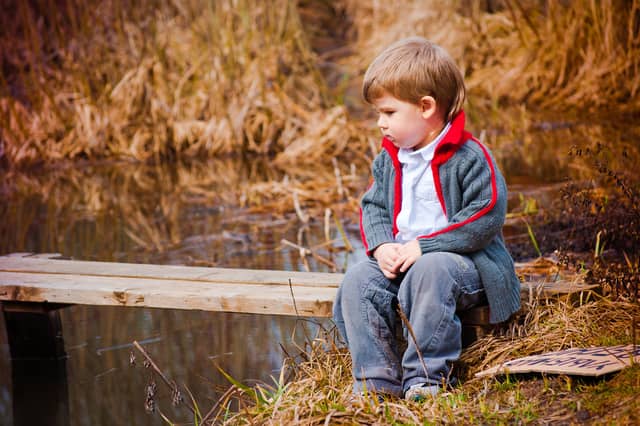

Over the next six weeks, this column is going to look at some of the patterns most often seen in children and young people, and what they tell us. This week: the fawning response
Over the next six weeks, this column is going to look at some of the patterns we see most often in children and young people, and what they might be telling us. Each week focuses on a different way a child can respond when life feels too much: the child who never says no, the one who can't sit still, the one who pushes back hard, and the one who goes very quiet.
We'll also look at what happens when a child is too hard on themselves, and what's really going on when a child is distressed about school.
This series is written with parents in mind, but it isn't only for parents of young children. If you have an adult son or daughter and you find yourself nodding along, that's not a coincidence.
These patterns don't disappear at eighteen. And you might find, as you read, that you recognise something in yourself too.
Every parent wants a child who is kind, easy-going, and gets along well with others. So when your child fits that description, helpful at home, never any trouble at school, always agreeable, it can feel like a relief. Maybe even something to be proud of.
But there's a version of easy-going that isn't easy at all. It's a child who has learned, often very early, that keeping the peace is safer than expressing what they actually feel. A child who agrees not because they want to, but because disagreement feels dangerous.
If your child consistently puts everyone else's feelings ahead of their own, if they struggle to say no even when they want to, if they go to extraordinary lengths to avoid anyone being upset with them, then this column is for you. And possibly for them, when they're old enough to read it.
Psychologists call this the fawning response: a response to stress that looks like agreeableness but is actually a form of self-protection. It develops in children who have learned, at some level, that relationships are safer when they are accommodating.
The fawn child smooths things over. They apologise quickly, even when they've done nothing wrong. They read the room constantly and adjust themselves accordingly. The child who fawns is often a delight to have in a classroom. They cause no trouble.
Teachers describe them as thoughtful and mature. What's harder to see is the effort that goes into this: the constant monitoring of other people's moods, the suppression of their own needs, the low-level anxiety that runs underneath the pleasant surface.
You may notice it in small ways. Your child changes their opinion the moment a friend disagrees. They come home from school saying they're fine when their face says otherwise. They take the blame for things that weren't their fault rather than risk conflict.
They find it very hard to say what they'd like for dinner. The most important thing to understand is that this isn't a character flaw; it's a coping strategy. And like all coping strategies, it developed for a reason, even if that reason isn't entirely clear yet.
This week, instead of asking your child how was school or did you behave yourself, try asking them: what was the best part of today? What was the hardest? Then sit with whatever answer comes, without trying to fix it.
The fawn child needs to experience that their honest feelings are safe to express, and that the people they love won't withdraw if they hear something uncomfortable.
That's the beginning of something important.
Next week: The restless child
Deirdre Ryan is a psychotherapist with nearly 20 years of experience and Clinical Director of
Tipperary Counselling Service. 086 8918075