

Tipperary hare coursing clubs captured 577 hares in six months
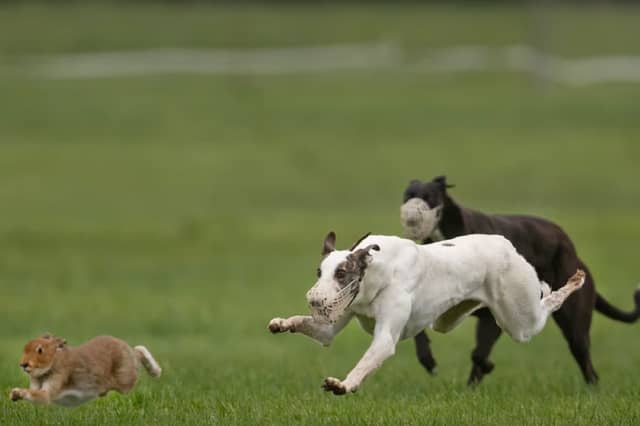

The controversial sport is only legal in three European countries: Ireland, Spain and Portugal
Members of the Dáil voted for a bill that would make hare coursing in Ireland illegal on Wednesday evening July 8.
The results of the vote showed an overwhelming majority in favour of saving the sport in Ireland, with 125 members voting against the bill and 24 voting to ban hare coursing.
Junior minister in the Department of Agriculture and Fianna Fáil TD Niall Collins claimed in a debate last week that hare coursing contributes approximately €70.7 million annually to the Irish economy, according to a 2022 report by economist Jim Power.
CEO of the Irish Coursing Club DJ Histon, who is also the manager of Clonmel Racecourse, quoted the same figure and report while speaking on Liveline the week beforehand. However, other media outlets have reported that the ICC have been refusing to release said report to the media.
The controversial sport is only legal in three European countries: Ireland, Spain and Portugal.
Hare coursing was banned across the United Kingdom over 20 years ago: First in Scotland in 2002, followed by England and Wales under the Hunting Act of 2004.
Hare coursing is a sport where two greyhounds chase a live hare across an enclosed field. Unlike greyhound racing, the dogs are not competing to catch the hare but are judged on their speed, agility, and ability to follow the hare's movements.
It has often been referred to as a ‘blood sport’ due to the fact that animals can be injured or killed during the event.
Ahead of the vote this week, organisations like Animal Party 4 Welfare, Ban Bloodsports and the IVNA (Irish Veterinary Nursing Association) each called for the government to vote yes in banning the sport.
People Before Profit TD Paul Murphy argued in the Dáil days before that hare coursing is inherently cruel: wild hares are captured, terrified and exposed to dogs that injure and sometimes kill them and he challenged claims that coursing benefits hare populations. He also questioned the 2022 economic analysis stating that €70.7 million is generated from the sport annually.
Animal welfare organisations argue that the act of chasing a wild animal for sport causes unnecessary fear, stress, injury, and occasional death, even with muzzled dogs.
The sport has a long tradition and popularity in Tipperary, with the Irish Coursing Club even having its registered address in Clonmel.
The Nationalist this week analysed documents from hare coursing clubs around Tipperary from a period between 11 August 2024 and 4 February 2025.
During this time, figures show that 577 hares were captured, 564 hares were released, eight were pinned and had to be looked at by a vet, three died and 10 escaped.
The clubs in Tipperary that make up these figures are: Borrisoleigh, Cashel, Clonmel/Kilsheelan, Crohanea/Killenaule, Nenagh, Templetuohy, Tipperary District and Thurles.
While supporters of hare coursing maintain that the sport plays an important role in rural communities, contributes to the local economy and supports hare conservation, opponents argue that those benefits cannot justify the suffering inflicted on wild animals for entertainment.
With the Dáil overwhelmingly rejecting the proposed ban, hare coursing will remain legal in Ireland for now, but the debate over its future is likely to continue as animal welfare groups pledge to keep campaigning for its abolition.