

Famous Tipperary bridge to be closed to vehicles permanently after a successful trial period
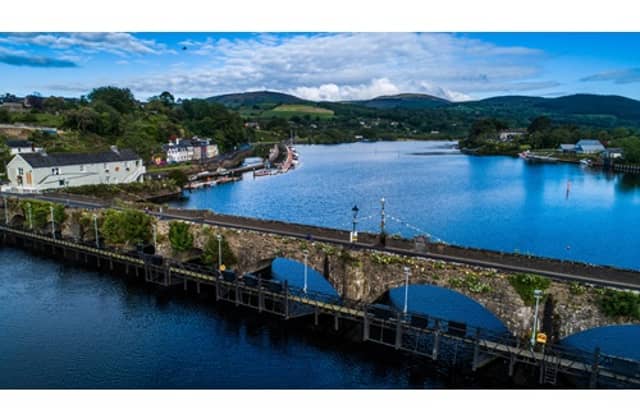

The old bridge between Ballina and Killaloe will be permanently pedestrianised from Friday
The old bridge linking Ballina in County Tipperary and Killaloe in County Clare will close permanently to vehicles from Friday, marking the end of an era for one of the region’s most recognisable landmarks.
From now on, the bridge will serve as a pedestrian and cycle route across the River Shannon.
The decision was confirmed by Tipperary and Clare County Councils following a lengthy consultation and trial period.
For Ballina residents, the change represents a major shift in how traffic and movement through the town will operate.
The €88 million Brian Boru Bridge, which opened in May, now carries all vehicular traffic as part of the new 6.2km Killaloe Bypass, the first new vehicular crossing of the Shannon in over 30 years.
During a four-month trial earlier this year, the historic stone arch bridge alternated between being open and closed to vehicles. Both councils described the process as “successful”, with data showing that traffic in Ballina and Killaloe continued to flow smoothly when the bridge was shut to cars.
According to the councils, the findings demonstrated that keeping the bridge free of vehicles made it a much safer and more pleasant route for walkers and cyclists, while also opening up opportunities for community events and tourism initiatives on both sides of the river.
A majority of local respondents supported the permanent closure, especially since the opening of the new Brian Boru Bridge.
However, some Ballina business owners and residents expressed concern about the potential economic impact and accessibility issues, particularly for older people and those relying on quick emergency response times.
Tipperary County Council said it remains committed to supporting local businesses and promoting Ballina, alongside Killaloe, as a thriving destination for visitors.
Emergency services have confirmed that their operations will not be significantly affected by the change.
The Department of Transport has also backed the decision, saying it aligns with national policies such as the National Sustainable Mobility Policy, the National Investment Framework for Transport in Ireland, and the Road Safety Strategy.
For Ballina, the focus now turns to how best to make use of the historic bridge in its new role as a pedestrian and cycling link that continues to connect the twin towns, while preserving a piece of shared heritage for future generations.