

COLUMN: Fourteen top tips for getting your children involved in the kitchen

Writes Laurann O'Reilly
Food is not only a great way of bringing the family together but it also helps with their development, whilst spending some quality time together too!
Meal preparation also helps children learn valuable skills such as maths (measuring) reading comprehension (from the cookbook), problem solving and the life skill of preparing basic meals with real ingredients.
Here nutritionist Laurann O’Reilly and owner of Nutrition By Laurann guides us through her top tips for getting the kids involved in the kitchen.
1. Safety First: Remember you should always supervise your child in the kitchen. This is the perfect time to teach them about food hygiene such as washing their hands, cleaning foods and work surfaces, but also that knives and stoves can be hot and dangerous. Perhaps they may need child friendly stool for standing at the counter with you, this is a great one from Shop Street Gift Ideas: https://shopstreet.ie/gift/kids- kitchen-helper-montessori-tower- in-white/
2. Make Some Time: Whilst life can be busy, it’s important for you and your family to eat good quality home cooked meals so why not involve the kids in the process. If this is a challenge why not set aside some time at the weekends. Breakfast is a great place to start as it’s not only one of the most important meals of the day but you can start with some basic recipes.
Tip: Why not try some eggy bread, scrambled eggs, smoothies or check out my pancake recipe below
3. Find Some Kid Friendly Recipes: Why not check out some kid friendly recipes online or even better find a kid friendly easy to follow cookbook, read it together and choose the perfect recipe. When choosing a child appropriate recipe, it’s important to ensure that the dish is low salt and low sugar too.
4. Shop For Your Ingredients Together: Now that you’ve chosen your recipe, it’s time to go shopping. Whether it’s to the supermarket or local market your child can help you select the ingredients that you’ll need for your exciting dish.
5. Use Child Friendly Kitchen Tools: They may have their own apron, colourful cups/plates/ bowls/ cutlery to encourage cooking. I really love the Cool Food School website which has a range of kiddie food cutters, safety peelers, safety scissors, reusable ice pop bags and kid friendly recipe books, check it out here: https://www. thecoolfoodschool.ie/shop
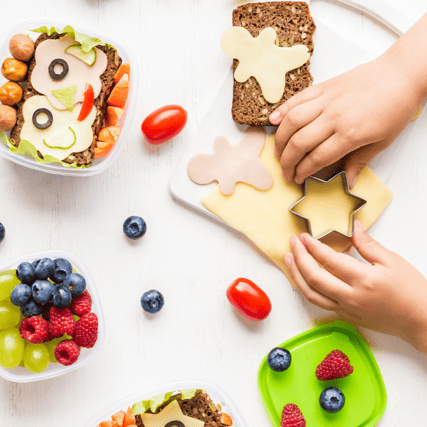
6. Make It Fun: Kids need to be introduced to cooking in a fun and engaging way as this helps them to make a positive association with food and enhances learning. For many the prospect of cooking with children may seem daunting, it doesn’t have to be complicated, it really can be so much fun for everyone.
Tip: Why not try some fun food activities could include making veggie rainbow pittas, using shapes to make sandwiches, decorating cookies or cupcakes.
7. Explore With Picky Eaters: Whilst dealing with picky eaters can be challenging, involving your kids in meal preparation, even if it’s a meal they claim to dislike. This really is a great way to encourage interest in food and cooking, as well as acquiring new tastes. The key here is ensuring that there is at least one food that they will absolutely eat and to encourage them to try just one bite of the rest. You might be surprised to see your fussy eater eating more than you expect, as children are more likely to taste what they make themselves, out of curiosity.
8. Tickle Their Senses: As eating is a sensory experience, why not introduce different smells such as oranges or spices to enhance a child’s sensory perceptions.
9. Be Patient: Whilst it can take a little extra time to prepare meals with children, it really is worth it and know that the more you cook with kids, the faster they will be. Just remember to factor in extra time when preparing even simple recipes, and soon you’ll find that the more you cook with your kids, the less and less of that extra time you’ll need.
10. Prep with Pre-Schoolers: At this age toddlers are able to start helping in the kitchen, with a little help from you. They can get involved in tasks such as washing the fruit and veggies, filling and pouring, stirring, adding in ingredients.
11. Cooking With School-Aged Children: As your child continues to grow, they can take on more responsibility in the kitchen. Add new tasks slowly and continue to review kitchen safety rules with them. Tasks can include cracking eggs, stirring sauces (with supervision), cutting soft foods (with child friendly equipment), sifting flour, using a rolling pin, helping make the food shopping list and setting the table.
12. Eating Together: Studies have found that eating together helps to promote more sensible eating habits and can help to bring the family closer together.
13. Cleaning Up: An important part of the cooking process is learning to clean up afterwards. For small children they can do little tasks like wiping up little spills or playing with the bubbles whilst you wash up. Whilst older kids can help to clean the counters using a non-toxic spray and a cloth as well as can help with the washing up/loading the dishwasher.
14. Remember The Benefits of Cooking Together: There really are so many amazing advantages of including children in meal preparation such as
- Improving Maths Skills: Cooking is a chance to put maths skills to good use through practicing counting skills (such as eggs or other ingredients), telling time to determine when a dish will be done cooking, using fractions when measuring ingredients, and more!
- Improves Fine Motor Skills: Through actions such as scooping and pouring ingredients
- Improving Reading Skills: Your child can read the recipe out loud to you. There still may be words they haven’t heard or seen before, but it is good practice.
- Learning About Foods & Health: Cooking serves as an opportunity to talk about food, healthy eating choices, and planning balanced meals. Use this chance to start a conversation!
- Improving Communication: Talking through the recipe together and talking about ingredients can really help build a child’s vocabulary. You can also improve communication and discussions between each other while cooking by talking about favourite foods, memories around mealtimes, and how all the steps of the recipe contribute to the finished meal.
• Giving Children A Sense of Responsibility: Through giving them little jobs or putting them in charge of preparing ingredients.
• Encouraging Appreciation of Food: Being involved in the meal preparation can help them to understand all of the hard work that goes into making it.
• Being A Real Confidence Booster: Through completing the recipe and seeing their family members enjoy the meal they prepared, this can give them a real sense of accomplishment.
Kid Friendly Mini Banana Pancake Recipe
These simple baby pancakes are a rich source of protein, fibre and are naturally sweetened. The perfect nutritious breakfast for kids of all ages!
Ingredients
(makes 9 mini pancakes)
1 Medium ripe banana (best with brown spots)
2 Eggs
2 Tablespoons all-purpose flour
1 Tablespoon milk
Extra virgin olive oil
Optional Ingredients:
Directions
In a medium bowl, mash your banana
Crack two eggs into the bowl with the mashed banana and whisk with a fork until well combined. It’s okay if there are lumps of banana.
Add in the flour and milk and mix to combine (if it’s way too thick, you may need to add in more milk, however it’s important you only start with a teaspoon at a time)
Lightly coat a non-stick pan with extra virgin and place over medium heat
Once the pan is hot, add 1 heaping tablespoon of the batter to the griddle for each pancake and cook for 2-3 minutes until pancakes slightly puff up, are golden underneath and you see a few bubbles along the edges
Flip cakes and cook until golden brown on the underside (if you find that pancakes are browning too quickly then you need to lower the heat)
Wipe the skillet clean and repeat with more oil and remaining batter.
Serve as is or spread with nut butter, yogurt and fruit or berries.